
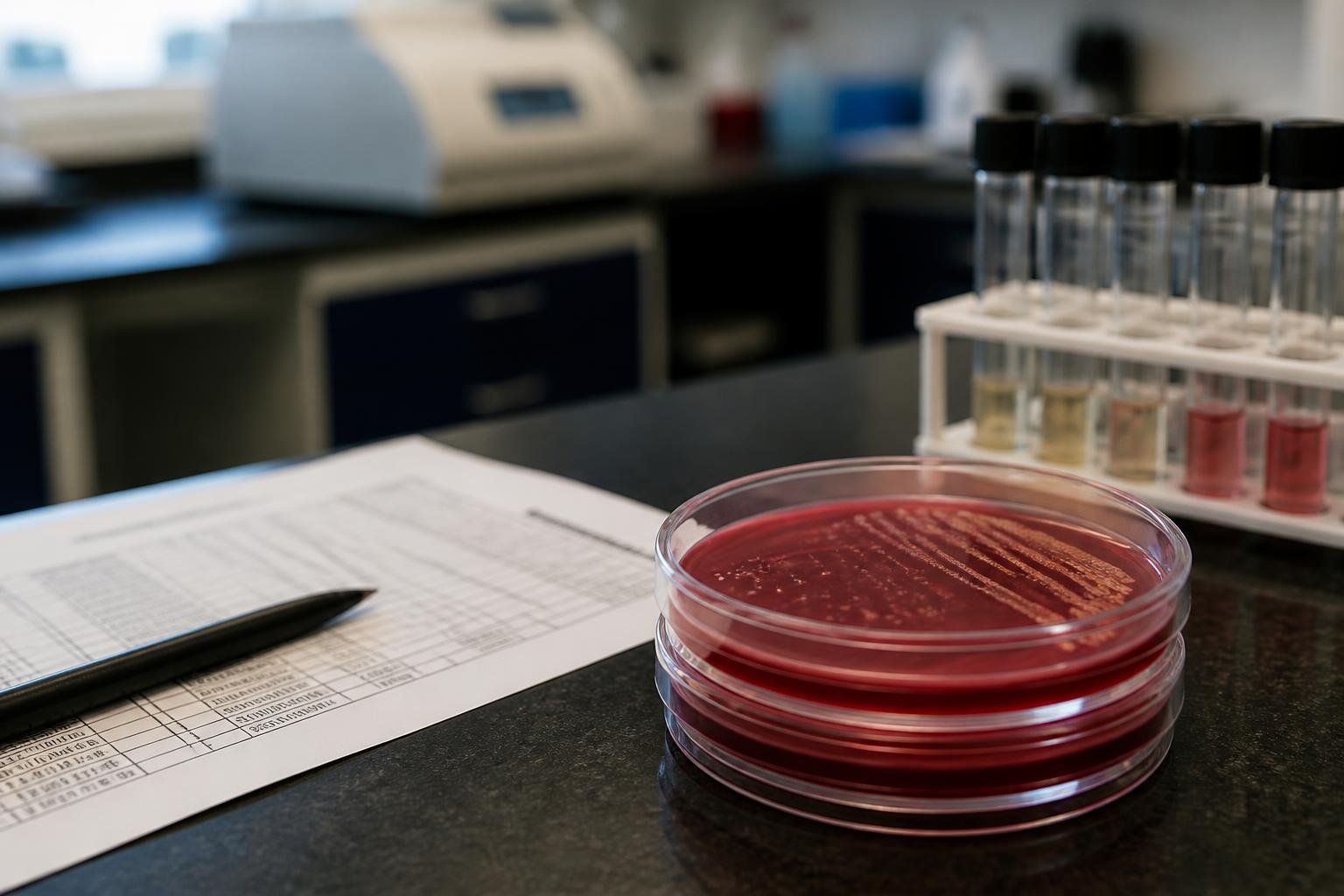
The share of U.S. Shigella isolates classified as extensively drug-resistant climbed to 8.5% in 2023, up from 0% during 2011–2015, a CDC analysis found.
Researchers examined 16,788 isolates with resistance data collected through Oct. 20, 2023. Of those, 510 resisted five commonly used antibiotics. More than 84% of those resistant isolates were reported in 2022 and 2023.
Shigella can cause diarrhea, fever and stomach pain. It spreads through contact with fecal matter, contaminated food or water, and sexual contact. The CDC did not analyze sexual exposure because that information was incomplete, so the findings do not show how many infections spread through sex.
There is no FDA-approved oral antibiotic specifically for extensively drug-resistant Shigella infections. Doctors may need laboratory tests to determine which medicines are likely to work.













Please note! Comments are published by readers. The opinions expressed may not reflect the position of the editorial team. USCT is not responsible for the content of readers' opinions and asks authors to observe moral standards, not to incite national or racial hatred, and to avoid rudeness. Think before you speak. You are responsible for your words! By publishing an opinion, you agree to the rules! If this request is ignored, USCT reserves the right to deprive the user of the ability to leave comments.