
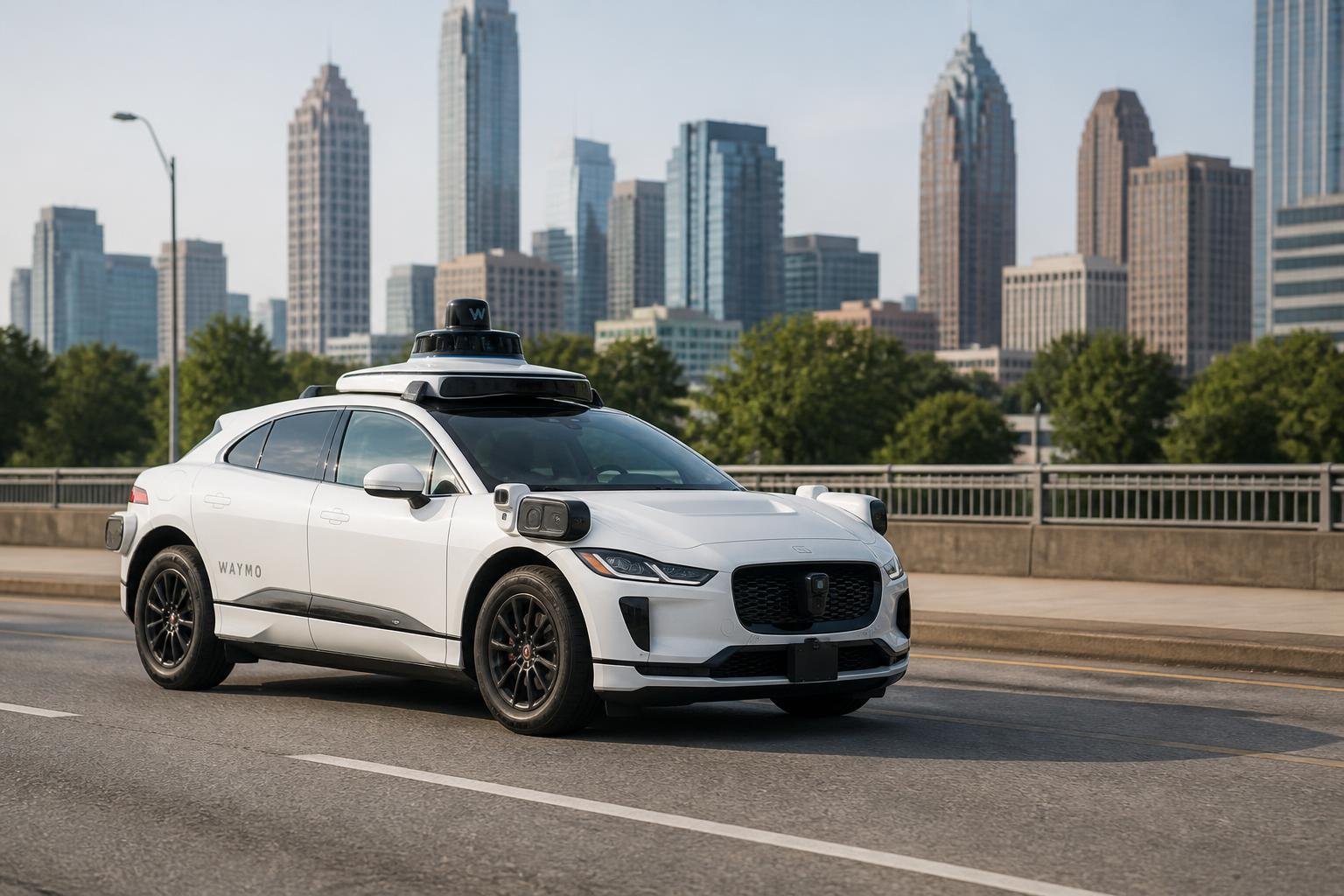
Waymo says its robotaxis had an 88% lower injury crash rate than human drivers in Atlanta, based on 8.6 million miles driven without a person behind the wheel. The company’s figures offer its case for safer autonomous rides, but the Atlanta comparison covers fewer miles than those in cities where its vehicles have operated longer.
To compare crash rates, Waymo’s team accounted for vehicle type, road type and geography. Kusano explained that human drivers may not report minor collisions, while Waymo records every crash; the analysis therefore focused on injuries.
Across the company’s broader data, Waymo reported 82% fewer crashes that triggered airbags than the human-driver comparison. It also reported fewer injury crashes involving people outside vehicles: 93% fewer with pedestrians, 86% fewer with cyclists and 82% fewer with motorcyclists. Those findings are Waymo’s own calculations.













Please note! Comments are published by readers. The opinions expressed may not reflect the position of the editorial team. USCT is not responsible for the content of readers' opinions and asks authors to observe moral standards, not to incite national or racial hatred, and to avoid rudeness. Think before you speak. You are responsible for your words! By publishing an opinion, you agree to the rules! If this request is ignored, USCT reserves the right to deprive the user of the ability to leave comments.